Grow away? Marple Township axes bamboo-limiting regulations
Call it the “bamboo wars.”
At a recent Marple Township meeting, commissioners voted 5-0 to rescind the township’s ordinance that requires property owners to keep the invasive plant in check, saying those rules are too difficult to enforce. But one member of the community — who recently lost his bid to unseat Ward 6 Commissioner Micheal Molinaro — voiced his displeasure.
Ted Ulman, the sole public commenter during township commissioners’ Nov. 10 work session, said he “decided to come on down here and offer my congratulations to Mr. Molinaro, who defeated me soundly.” And “as long as I’m here,” Ulman continued, “I saw at the last meeting that we’re doing away with the bamboo regulation, and that kind of surprised me — I just wondered if anybody can briefly tell me why it is being done?”
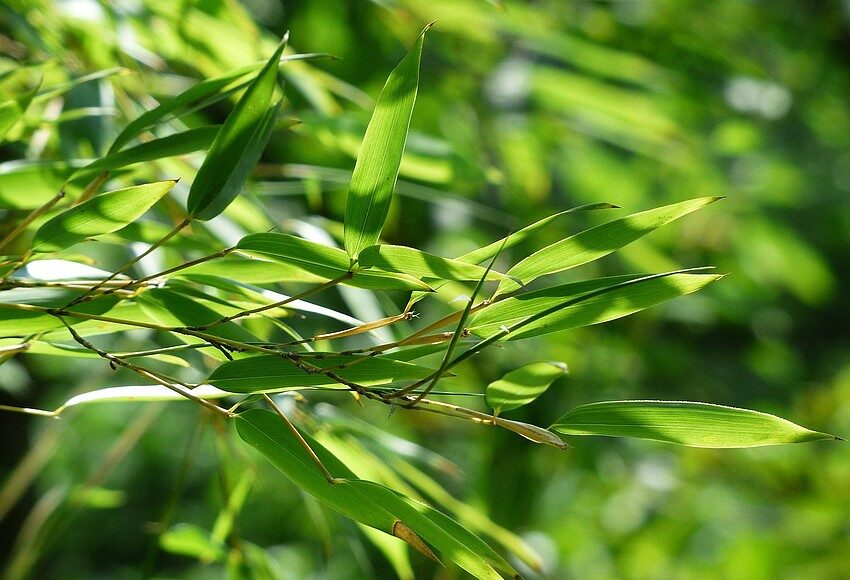
The ordinance in question was adopted by the township in 2017, with the purpose of protecting “from the damaging spread of running bamboo, protect indigenous plant materials from the invasive spread of running bamboo and maintain the general welfare of the residents of Marple Township.” Running bamboo is extremely fast-growing and highly invasive, while clumping bamboo is not as invasive.
The ordinance prohibits the planning or growing of running bamboo within the township and places strict limits on the planting of clumping bamboo. It also says that either type of bamboo can only remain on property within the township if it is kept at least 40 feet away from the edge of any sidewalk, public or private roads, right-of-way, access easements or property line of any parks or other public property in the township.
In response to Ulman’s question about rescinding those regulations, Township Manager Larry Gentile said that based on his experience in Marple Township and as the manager of Haverford Township, “it’s almost an unenforceable ordinance.”
Effective bamboo removal can cost residents more than $10,000, Gentile said, representing a significant financial burden. What’s more, the requirement to keep the plant in check causes neighbor disputes, “because they can’t determine where the bamboo is coming from.”
Ulman replied: “It would seem to me that it’s the bamboo that’s causing the problem, not the ordinance, but theoretically speaking, if one of my neighbors started growing bamboo, and I was upset because it was all over my garden, I would have no recourse. Is that correct?” Gentile responded: “That’s the way it would be at this point, yes.”
Later in the meeting, 7th Ward Commissioner Michael May suggested that Ulman could take “legal action” if a neighbor’s bamboo encroached on his property. He also remarked that the township’s bamboo ordinance was “all over the place,” and noted that Lower Merion Township only requires bamboo issues to be remediated upon sale of a property.
“But to remediate bamboo, you can’t just cut it,” May added. “You have to put either some type of chemical into the roots, or you have to get a backhoe in there to dig it out.” He concluded: “A lot of times when we have these ordinances, they’ve been put in a long time ago, and it we can’t enforce it, then why is it on the books?”
Also during the meeting, Township Finance Director “requested permission to advertise” the preliminary 2026 township budget, which will be considered at a Dec. 8. meeting.
She is proposing to increase the township millage rate (which is used to determine property taxes) from 2.638 to 2.990; which would result in the average house that’s assessed at $375,000 to pay $11 per month more.